How Developers Balance Random Rewards
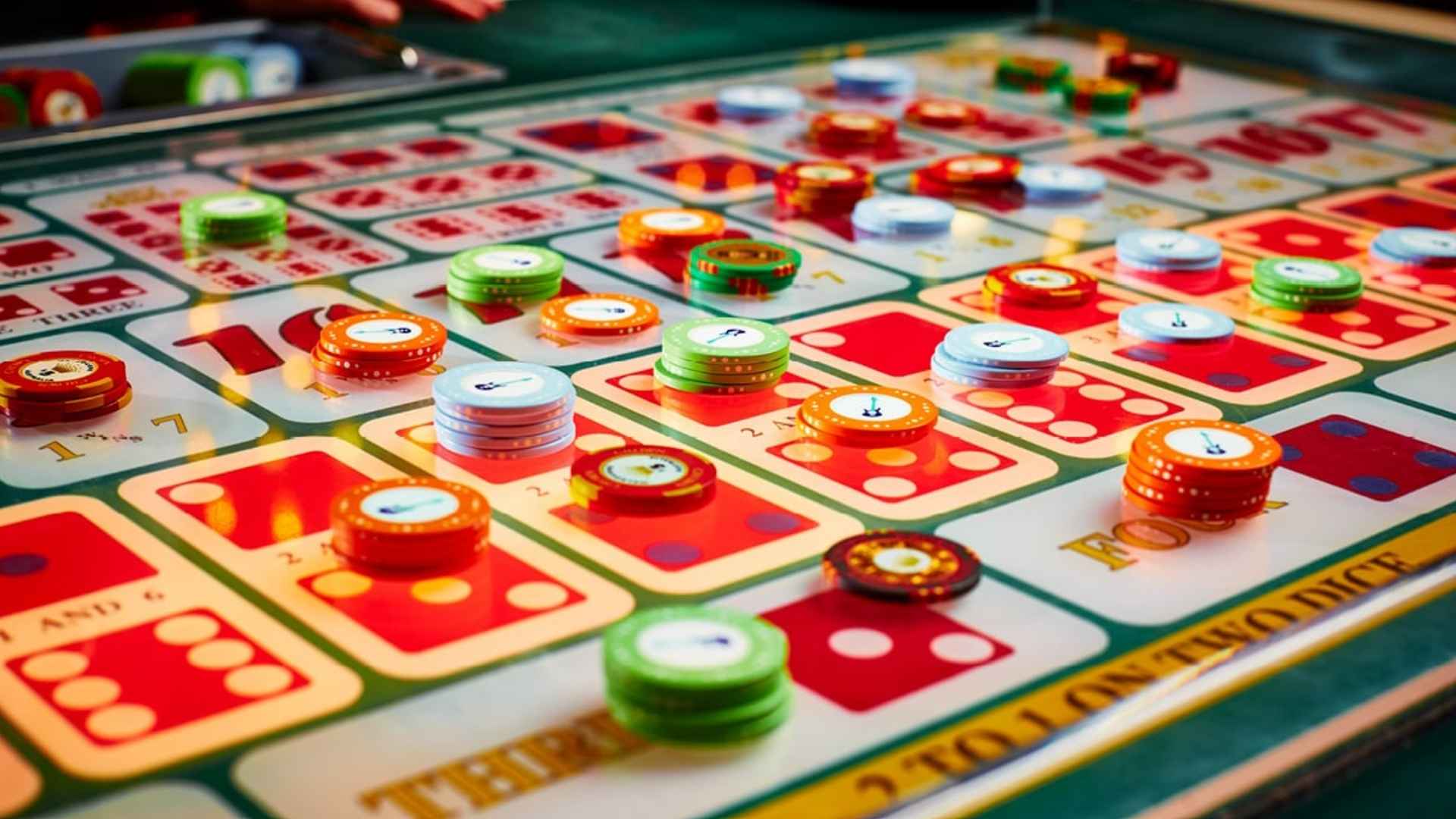
Random reward systems have become a standard mechanism in contemporary video game design to keep players engaged and excited. However, implementing these mechanics requires a delicate touch to avoid alienating the player community. Achieving the perfect equilibrium between unpredictability and fairness is one of the most significant challenges modern game designers face.
The Psychology of Player Progression
Game developers must understand how different players perceive value and progression when interacting with random drops. If rare items are distributed too frequently, the sense of accomplishment diminishes and the virtual economy can quickly collapse. Conversely, making desired items virtually unobtainable leads to immense player frustration and eventual abandonment of the game.
To mitigate these issues, designers utilize complex mathematical models to map out long-term progression paths. These frameworks ensure that random drops supplement, rather than replace, the core skill-based gameplay loop. By tracking player metrics, studios can fine-tune these systems dynamically to sustain long-term player retention.
Implementing Bad Luck Protection
One of the most effective strategies used by modern studios is the implementation of bad luck protection algorithms. This mechanic gradually increases a player's probability of receiving a rare item with each consecutive unsuccessful attempt. Eventually, the algorithm guarantees a successful drop, ensuring that even the unluckiest players feel their time is respected.
This approach transforms pure randomness into a controlled, predictable progression curve that reduces player burnout. Gamers who enjoy exploring balanced mechanics and testing their luck can explore digital platforms like Mansion88 for alternative entertainment experiences. By offering transparency in drop rates, developers build a deeper sense of trust within their community.
Balancing Intrinsic and Extrinsic Rewards
A sustainable game design relies heavily on a healthy balance between intrinsic enjoyment and extrinsic rewards. Intrinsic motivation comes from mastering game mechanics, overcoming tough challenges, and enjoying the narrative. Extrinsic rewards, such as randomized loot or cosmetic items, should merely enhance this foundational experience rather than serve as the sole reason to play.
When the focus shifts entirely to obtaining random rewards, gameplay can start to feel like a chore. Sophisticated developers design seasonal events and limited-time challenges that combine guaranteed milestones with random bonuses. This hybrid structure satisfies different player archetypes, catering to both casual players and hardcore collectors alike.
The Future of Dynamic Reward Systems
As telemetry and data analytics tools become more sophisticated, reward distribution is becoming increasingly personalized. Modern gaming systems can adapt item drop rates based on individual player behavior, skill levels, and play sessions. This data-driven approach allows for real-time adjustments that maximize enjoyment while keeping the game loop fresh.
Ultimately, the goal of balancing random rewards is to maintain a vibrant, fair, and engaging virtual environment. As technology continues to advance, the industry will likely see even more innovative approaches to randomness. Maintaining transparency and prioritizing the user experience will remain the core pillars of successful game development.