The First Casino in Las Vegas Exploring the Origins of Las Vegas Casino History
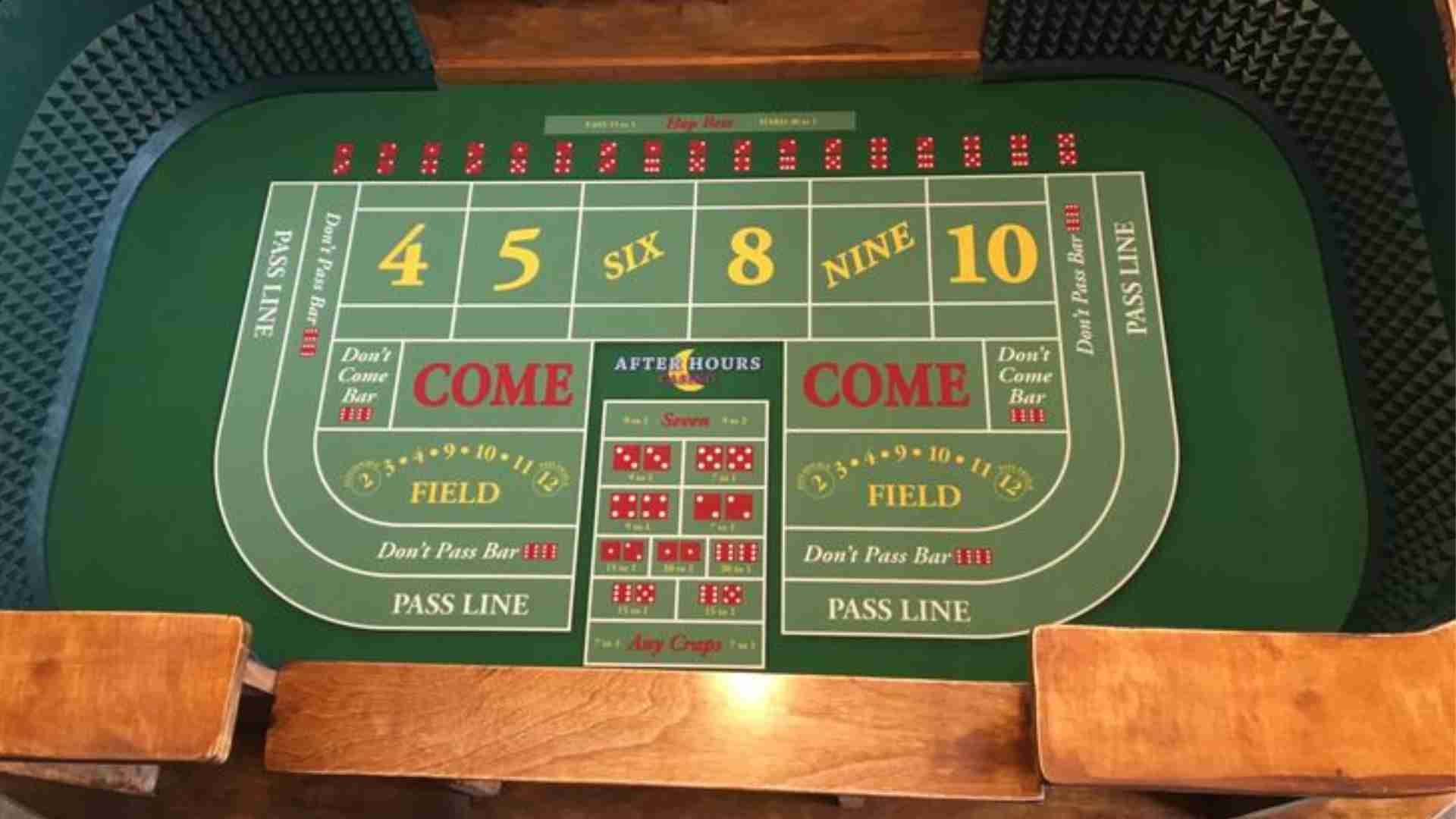
Long before the neon lights of the modern Strip dominated the desert horizon, Las Vegas was a quiet railroad town seeking economic opportunity. The roots of its global entertainment reputation began in the early twentieth century when local entrepreneurs recognized the potential of legalized gaming. Understanding the history of the city's very first licensed casino offers fascinating insight into how a modest desert outpost transformed into the gambling capital of the world.
The Arrival of Legalized Gambling in Nevada
In 1931, Nevada took a historic step by legalizing wide-scale gambling during the financial hardship of the Great Depression. State leaders hoped that regulating and taxing local gaming operations would generate much-needed revenue for public infrastructure. This pivotal legislative decision set the stage for small venues to secure official licenses and open their doors to eager patrons.
Prior to legalization, underground card rooms operated quietly across southern Nevada with varying degrees of local tolerance. The passage of the new gaming law brought these hidden operations into the light, creating a regulated environment where business owners could invest with confidence. This legal framework laid the foundation for an unprecedented boom in commercial entertainment.
Northern Club and Securing License Number One
When the city began issuing official gaming permits in April 1931, the distinction of receiving Nevada's first legal casino license went to the Northern Club. Situated on Fremont Street in downtown Las Vegas, the establishment was managed by Mayme Stocker. Her foresight allowed the venue to transition seamlessly from a quiet local spot into a historic gaming pioneer.
The venue originally offered modest table games such as poker, bridge, and low-stakes roulette for community members. Unlike the massive resort properties operating today, early establishments focused on providing simple social entertainment for regional workers. Modern gaming enthusiasts interested in the evolution of betting often explore platforms like m88 to observe how simple card rooms evolved into complex digital networks.
Fremont Street as the Original Entertainment Hub
Downtown Las Vegas, centered around Fremont Street, served as the epicenter of Nevada's gaming culture for several decades. The concentration of early clubs created a vibrant district where visitors could easily walk between different venues. Over time, brightly lit signage earned the area its iconic nickname, Glitter Gulch.
As competition grew, operators invested in larger properties, grander neon displays, and enhanced amenities to attract tourists from across the nation. The success of Fremont Street demonstrated that regulated gaming could serve as a primary driver for tourism. This successful model eventually paved the way for larger developments along the resort corridor that later became known as the Strip.
Legacy of the Early Desert Gaming Pioneers
The early casinos of Las Vegas established operational standards and hospitality strategies that remain influential throughout the global gaming industry today. Their success proved that regulated entertainment could drive regional economic growth, attract international visitors, and support local employment. The courage of early owners transformed a remote stopover into an iconic cultural phenomenon.
Today, historic sites along Fremont Street continue to draw tourists interested in the origins of American gaming history. While the original Northern Club structure changed over the decades, its historical impact on Nevada's economy remains undeniable. Exploring these humble beginnings highlights the remarkable journey of Las Vegas from a quiet desert stop into a world-famous resort destination.